
The Cycle of Domestic Violence:
Phases of Violence in a Relationship
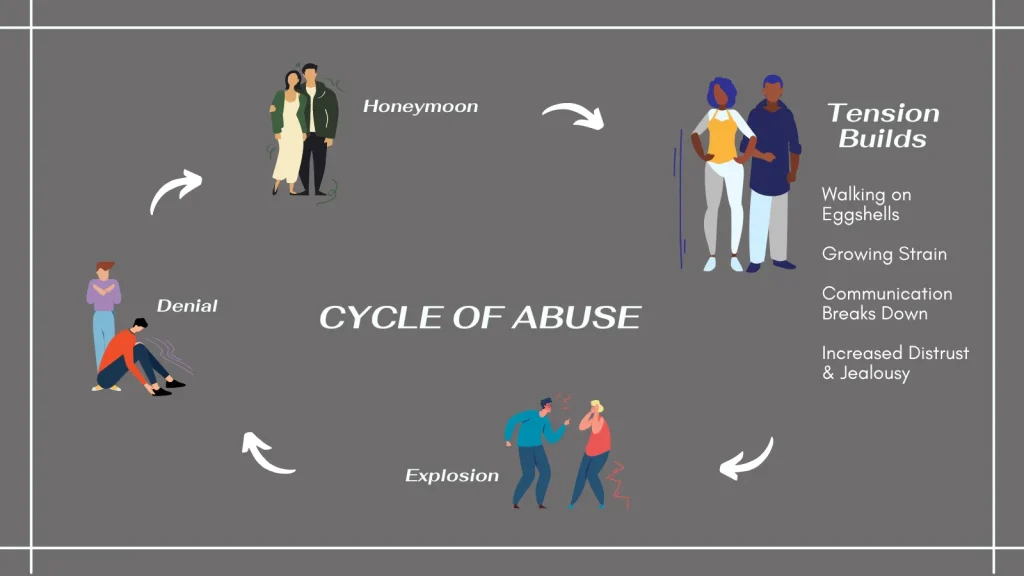
Domestic violence is a serious issue experienced by many relationships worldwide. It is a pattern of violence and abuse that often follows a cycle. Understanding the cycle of domestic violence can help women in abusive relationships recognize the signs and better predict attacks. However, it is important to note that the cycle is not always predictable, as each situation is unique. The cycle of domestic violence consists of five phases: 𝘁𝗵𝗲 𝗯𝘂𝗶𝗹𝗱𝘂𝗽 𝗽𝗵𝗮𝘀𝗲, 𝘁𝗵𝗲 𝗲𝘅𝗽𝗹𝗼𝘀𝗶𝗼𝗻 𝗽𝗵𝗮𝘀𝗲, 𝘁𝗵𝗲 𝗿𝗲𝗺𝗼𝗿𝘀𝗲 𝗽𝗵𝗮𝘀𝗲, 𝘁𝗵𝗲 𝗽𝘂𝗿𝘀𝘂𝗶𝘁 𝗽𝗵𝗮𝘀𝗲, 𝗮𝗻𝗱 𝘁𝗵𝗲 𝗵𝗼𝗻𝗲𝘆𝗺𝗼𝗼𝗻 𝗽𝗵𝗮𝘀𝗲.
a) Buildup Phase
The cycle begins with the buildup phase, which is a period of high tension. This tension can be caused by various factors, such as work stressors, family pressures, financial problems, or the perpetrator’s negative thought patterns. During this phase, the tension in the relationship is palpable, and the perpetrator may utter verbal threats. These threats increase the level of fear in the partner, allowing the perpetrator to gain greater control over the situation.
b) Explosion Phase
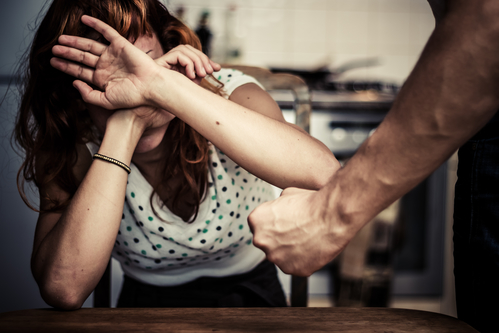
The explosion phase is the phase where the perpetrator ultimately erupts in a violent outburst. This may include physical or emotional abuse, such as hitting, shouting, or humiliating the partner. This phase is often the most traumatic part of the cycle for the victim.
c) Remorse Phase
After the explosion phase comes the remorse phase, where the perpetrator feels guilty and ashamed of their actions. They may be afraid that their partner will leave them and will thus make efforts to repair the relationship. These efforts may include apologizing, downplaying their actions, or denying or minimizing the cause of the violence. Some women choose to believe that the violence will not happen again, and the perpetrator’s remorseful behavior may convince them that the relationship can be salvaged.
d) Pursuit Phase
The pursuit phase is the period during which the perpetrator tries to win back their partner through affectionate gestures, gifts, and promises of changed behavior. They try to convince their partner that they will change and that the relationship will improve. This phase can be confusing for the victim because they may believe that the perpetrator is sincere and that things will indeed change.
e) Honeymoon Phase
The final phase of the cycle is the honeymoon phase. This is a period of intense intimacy and denial of the previous abuse. Women tend to stay in this phase because they want to maintain the relationship and because they experience the loving behavior of their partner. They choose to believe that the perpetrator is truly loving and that the previous abuse is not a true reflection of them.

The Start of a New Cycle
The cycle of domestic violence often repeats, which means that the calm, loving behavior gradually gives way to smaller incidents until the tension builds up again, and the cycle of violence and abuse repeats. This cycle can continue repeatedly, with each cycle further damaging the relationship and increasingly harming the victim.
It is of utmost importance that people affected by domestic violence seek support and help. Domestic violence is a serious issue, and there is help available for victims to ensure their safety and break the cycle of violence.