
STUDY METHODS (3) – LISTEN
I found out that the best way to study starts before that class! If you go to school, be well prepared. Prepared reading and listening effectively means, according to me, already 30% to 50% in that exam. Read first then listen.. versus Listen first then read…

My slogan “SUFFER NOW SMILE LATER”
PREPARATORY READING
Subject to the usual specialized literature or manuals. Read this beforehand. Reading first and then listening is the most important part of studies… Listening first and then reading – is significantly less effective. There are different ways and phases of reading: exploratory reading, reading comprehension, and critical reading (More about this). If preparation for a lesson is critical, of course, read the best one, but if you don’t do this, at least make sure that you do exploratory and comprehension reading. Whatever the case, read these strategies: underline or emphasize keywords and phrases, question unclear parts, and write down what you want to be answered during that class. Remember questions at the end of that lesson that may be answered during that lesson.
ACTIVE LISTENING DURING CLASS
It is not easy to actively listen, organize, and process information from oral speech from educators period after period. Don’t judge today’s visual culture. Listening comprehension is not a skill that is usually inherited from that school, but this can be developed.
Take advantage of your preparation and ask yourself in advance: What was unclear? What question do I expect to answer? do you understand that structure and the main idea? do you know how to distinguish between main and by-sake?

Taking notes is the best way to actively listen. As a real matter, the main point of a lecture comes in the following guises: a) subject (theme, question, object) b) terms (concept, categories, definitions) There is a category which, depending on the lesson and the subject, can be main or secondary: a) fact (events, historical and geographical demarcation) b) practice (application, case studies, examples) c) context (policies, economies, social, cultural). Always try to determine what are main and what are sub-issues.
Also, think in advance about what to expect (preparation). If the information remains unclear after the lesson, it may be useful to approach the educator during that period and ask for clarification again. If that educator does not want to help you, ask a friendly, helpful educator or a smart co-learner to help you. Questions aren’t just a problem if you don’t understand something. Sometimes you ask yourself something in response to that material; You philosophize about what has happened, you have doubts about what has happened, an example or a toe example, or even outright criticism. This is precisely a question that is highly valued
Remember PowerPoints and handouts cannot replace taken notes because they activate different parts of the brain.
THE FIVE FEATURES OF AKTIEWE LISTEN:
PLEASE NOTE
Focus entirely on the other person: repeat in your head what that other person is.
Let the other person share his message properly.
Make eye contact, and look at the other person (but don’t sit or stare at the other person).

Ignore your limiting habits, but don’t think about what you want.
You don’t get distracted, so: turn off your cell, do not ‘just’ read WhatsApp, or look at your Instagram.
Listen carefully to the other person, and pay close attention.
SHOW THAT YOU LISTEN
Nod now and then (in a way and at a pace that suits you).
Smile and let yourself be seen ‘talking’.

Do not say anything.
Pay attention to your posture: open and inviting, try to radiate ‘peace’.
Encourage the other person to say “mhh” or “yes yes” now and then.
GIVE FEEDBACK
Summarize what the other person said: “What I hear is…” or “As I understand you correctly…”.
Ask the question: “What do you mean by that?” or “Is this what you mean?”
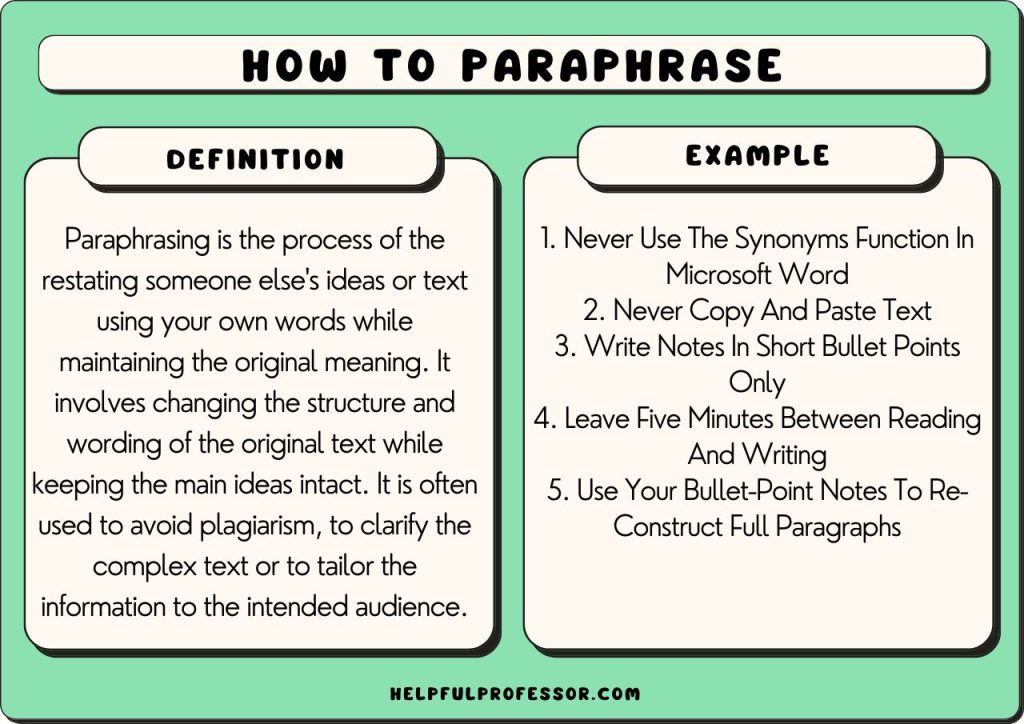
If you get emotional, please ask for more information. “I don’t understand you very well, because what you say doesn’t bother me or I take it too personally”, “What I think you say is: ….. Is this what you mean?”
LEAVE YOUR OPINION OR JUDGMENT
Let the other person get ready.
If you interrupt with a toe argument or with your own story, don’t come.
Think before you give your opinion or judgement. First count to three (or ten…).
RESPOND APPROPRIATELY
Respond openly, honestly and with understanding.
Give your opinion with respect.
Treat the other person as you would like to be treated yourself.
ADVICE
Action, listen, work better if you know your sensitive spots and relax happily. This can also help you take notes.