
ROU (5) JOHAN MAES’ INTEGRATIVE MODEL
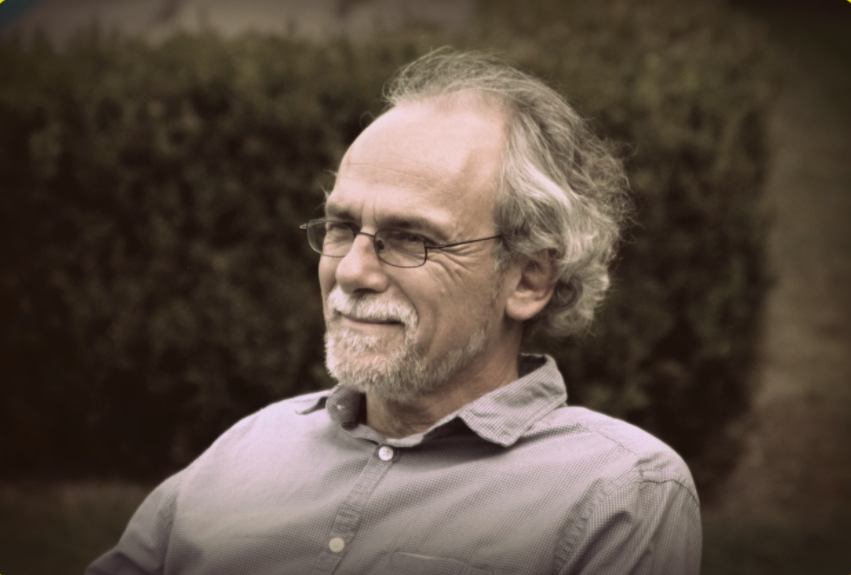
I prefer the more modern mourning models specifically the model of Flemish Mourning Therapist Johan Maes. He is considered to be one of the leading figures in the field of study. I start with his understanding of words during the mourning process, then I will pass on something of his model.
WORDS
Sometimes it is difficult to find the right words in a situation of mourning. People may fear saying the wrong thing, which will hurt the bereaved even more. But sometimes it is precisely the lack of words that can offer comfort. If you don’t know what to say, say it. By being honest about your helplessness, you show that you want to be there for the bereaved and that you are willing to listen and support.
It is important to realize that there are no perfect words that can completely ease the grief of the bereaved. Sometimes there is just a need for presence, listening without judgment, and offering a shoulder to lean on. As guides and helpers, we can learn to be aware of our own words and the impact they can have on the bereaved. By showing empathy and compassion, we can be a valuable source of support for those who are grieving.
Let us therefore take up the challenge of words for the bereaved together, with respect, compassion, and the willingness to learn and grow in our ability to offer comfort in times of sadness.
WHAT IS THE MEANING INTEGRATIVE
Within this approach, we assume that the different dimensions of man – the physical, psychological, social, and spiritual dimensions – influence each other and form one coherent whole.
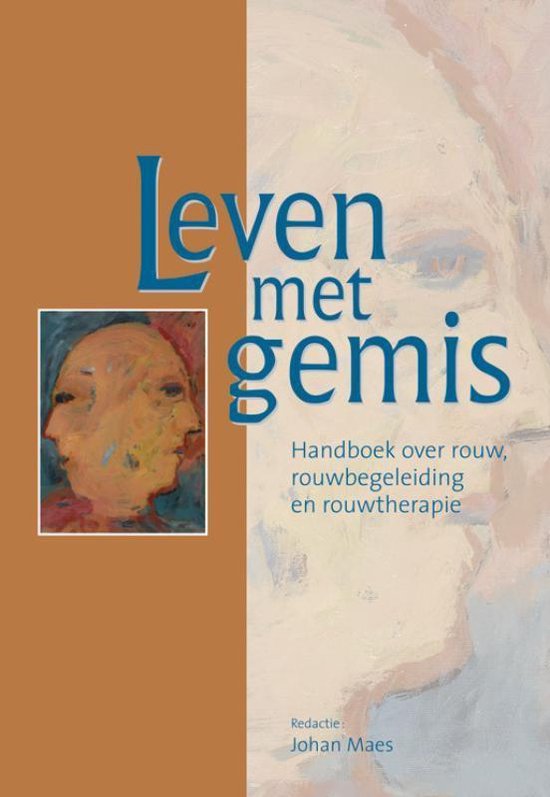
INTEGRATIVE MODEL – JOHAN MAES
Grief as a multidimensional process: In contrast to the old static model, which sees bereavement only as the processing of pain, Maes emphasizes that bereavement is a multidimensional process that can affect the bereaved on different levels and dimensions, including body, emotions, thinking, behaviour, relationships, and existential/spiritual.
Mourning as a reaction to a loss: Maes describes mourning as a reaction to a loss, which can be both reactive (unconscious, internally pre-programmed response) and active (conscious, self-choice). Each person reacts in a unique way, which undermines the idea of mourning as having certain stages and tasks.
Mourning as the loss of a meaningful relationship: According to Maes, mourning means the loss of a meaningful relationship, which will force the mourner to continue living with the loss of a relationship that had meaning for him. It could be about missing a mother from whom he/she could always ask for advice, or missing a spouse or good friend with whom he/she could share everything.
Mourning as an adaptation process: Finally, Maes considers mourning as an adaptation process, in which the person must eventually continue in life without the physical presence of the other with its associated roles and meanings. This requires the bereaved to adapt and perhaps even change himself or herself, an idea that strongly deviates from the old model in which the loss had to be forgotten to continue with life as it always was.

These key points illustrate Maes’ view of mourning as a complex, dynamic process that affects the individual on several levels and dimensions, and which requires the individual to adapt to the new reality without the loved one.
https://johanmaes.co/app/uploads/2020/10/Naar-een-integratief-rouwmodel.pdf