
RELIGION AND DREAMS: UNIQUE INTERPRETATIONS AND CULTURAL CONTEXTS
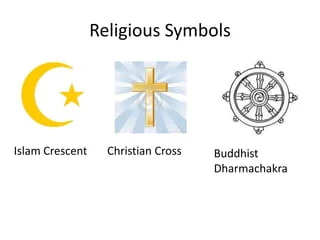
Do dreams offer a glimpse into the spiritual world, do they offer guidance, or do they serve as channels for divine communication? I researched the perspectives on dreams within Christianity, Buddhism, and Islam, looking in particular at their unique interpretations and cultural contexts.

Christianity:
In the Christian tradition, dreams have played a significant role, often intertwined with stories of divine intervention and prophecy. From the dreams of biblical figures such as Jacob, Joseph and Daniel to the visions of Revelation. You can read it back in my dream blog. In the Bible, dreams are considered a means by which God communicates with mankind. Within the Christian community, dreams are viewed as a channel for spiritual guidance and revelation, offering insights into one’s unique faith journey and God’s plan for the dreamer.
Over time, the belief in dreams has been accepted as part of the mystical side of Christian spirituality and many admit their powerlessness to explain them. Dreams in Christianity are considered a reflection of the soul’s longings, aspirations, and fears, with their interpretation often with symbolism and metaphor. Although some may dispute the practical value of examining dreams, many Christians see it as part of a large patchwork of spiritual experiences. Dreams decorated with religious themes are considered to have positive implications, offering comfort, inspiration, and intense intimacy in one’s faith.
Buddhism

In contrast, Buddhist perspectives on dreams differ from those of Christianity, reflecting the unique philosophical foundations of Eastern spirituality. Within Buddhism, dreams are considered to be reflections of the mental activities, shaped by karma and the subconscious. Dreams have meaning as tools for self-reflection and insight into the nature of existence.
In some Buddhist contexts, especially within Tibetan Buddhism, dreamless sleep is important. This state, achieved through meditation and spiritual discipline, is considered a precursor to enlightenment. Dreams are considered manifestations of the mental illusions, and by transcending them, practitioners can gain a deeper understanding of reality.
Buddhist teaching emphasizes mindfulness and awareness, encouraging individuals to examine their dreams with detachment and clarity. Rather than viewing dreams as messages from a higher power, Buddhists interpret them as expressions of the spiritual tendencies and conditioning of the mind.
Islam
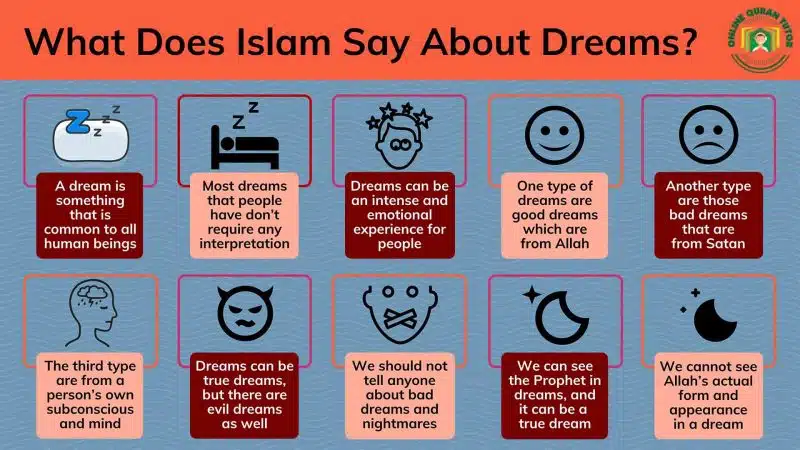
In Islamic tradition, dreams are considered important manifestations of the unseen world, capable of conveying Allah’s messages and guidance. Dreams have a particular importance in Muslim societies, with interpretations often influenced by religious teachings and cultural beliefs. Muslims believe that dreams can offer insights into future events, provide guidance in matters of faith and morality, and serve as a way to connect with the spiritual world. Dreams of prophets and righteous individuals are considered particularly auspicious, offering wisdom and guidance to the dreamer. Dreams can influence important decisions in the lives of Muslims, ranging from personal matters to matters of faith and community. Interpretation of dreams often involves consulting religious scholars or individuals with expertise in dream analysis, who offer insights based on Islamic teachings and traditions.
SUMMARY
Dreams have different meanings and interpretations within the different religious traditions, reflecting human spirituality and cultural diversity. Whether seen as messages from the divine, reflections of spiritual activity, or glimpses into the unseen world, dreams continue to captivate the imagination and inspire reflection around the world.