
How Dreams Originate
Opinions are divided on exactly how dreams originate. Yet, one thing remains certain: dreams emerge during sleep, facilitated by the diminished activity of the brain’s social adaptation mechanisms. This subdued state enables access to the subconscious mind. As we slumber, our brains diligently process the day’s influx of stimuli, transferring memories from short-term to long-term storage—a process in which dreams play a pivotal role.
Psychologists theorise that dreams are not mere figments of imagination but rather messages encoded by the subconscious. Some individuals even claim to receive literal messages through their dreams, as exemplified by the invention of the Clothes Sewing Machine, conceived following a dream.
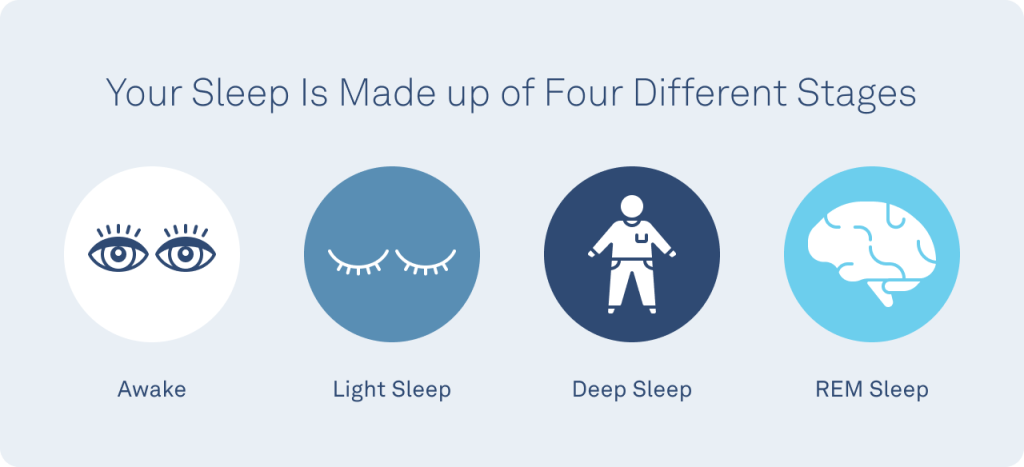
Understanding the mechanisms of sleep sheds light on the origin of dreams. Sleep is characterized by various stages, among which REM (Rapid Eye Movement) sleep stands out as the phase primarily associated with dreaming. Throughout the night, we typically cycle through three to four stages: slumber, light sleep, deeper sleep, and REM sleep. Each stage serves a distinct function in the restoration of both body and mind.
During deep sleep, the body undergoes physical repair, while REM sleep allows the mind to recuperate from the day’s mental exertions. But what unfolds during this enigmatic REM sleep phase?

Definition: What is a Dream? I came to this conclusion:
A dream is a vivid sequence of images, sensations, and sounds that unfolds within the mind of an individual during sleep. As the body enters a state of relaxation during sleep, the brain undergoes distinct phases, including REM (Rapid Eye Movement) sleep, commonly associated with dreaming. During REM sleep, while the body is in a state of rest, a specific region of the brain remains active to regulate essential functions such as breathing. Simultaneously, this active brain region generates the intricate tapestry of dreams, drawing upon a reservoir of memories, emotions, and subconscious impressions.
Functions of a dream
Dreams are not merely random occurrences; rather, they serve a vital function in processing the day’s stimuli and delving into the recesses of the subconscious mind. This renders dreams remarkably lifelike and often imbued with profound significance. In essence, dreams provide a gateway to the inner workings of the mind, offering glimpses into one’s deepest thoughts, fears, and desires. They serve as a conduit for the subconscious to communicate and process information, enriching our understanding of the human psyche and the complexities of sleep.