
WHAT CAN DREAMING ABOUT DEATH MEAN FOR YOU?
Dreaming about death can be unsettling and perplexing, but it doesn’t necessarily mean tragedy is looming. In fact, death in dreams is often more symbolic than literal, representing changes, transitions, or deep emotions that are not always easy to express. Whether it’s dreaming about your own death, the death of loved ones, or even deceased relatives returning, these dreams carry various meanings and are shaped by our emotions, experiences, and subconscious processing.

1. Death as a Symbol of Change
If you’re not terminally ill or actively grieving, dreaming about death might not be about death at all. Instead, death in a dream often signifies change or the end of a chapter in your life. This symbolic interpretation suggests that something in your life may be coming to an end—whether it’s a relationship, a job, or even a phase of personal growth—and that you are transitioning into something new.
The key to interpreting these dreams is to focus not just on the imagery, but on how the dream made you feel. For instance, if you wake up feeling anxious or frightened, it could point to fear or resistance to change in your life. On the other hand, if the dream leaves you feeling peaceful or optimistic, it may indicate that you’re embracing new beginnings and accepting that one stage of your life is closing.
2. Predicting Tragedy: Should You Be Worried?
One common concern about death dreams is whether they predict tragedy. While these dreams can be disturbing, it’s important to remember that they are not premonitions. Dreams, by nature, are symbolic, and should not be taken at face value. When we dream about death, it often has more to do with our emotional state or the changes we’re facing rather than literal death.
Dreaming about death might also be part of the grieving process if you’ve recently lost someone. Research shows that people in mourning frequently dream about deceased loved ones. These dreams are often comforting, helping people feel connected to the person they’ve lost, even after they’re gone. In some cases, these dreams may allow people to process their grief and emotions in a way that they can’t do when awake.
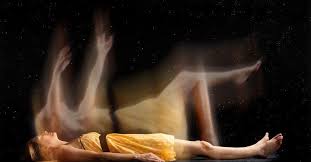
3. Death of Family Members in Dreams
Dreaming about a parent, sibling, or child dying is one of the most common and disturbing types of dreams. According to a study on nightmares, death and threats to loved ones are recurring themes.
In many cases, dreaming of a family member’s death might reflect changes in your relationships with them. These changes might be real or imagined, but they often relate to the shifting dynamics in how you interact with those closest to you. For example, the death of a parent in a dream may symbolize your feelings of growing independence or anxiety about aging and losing that connection.
It’s also possible that these dreams are simply a reflection of your concerns for their well-being or the stress of seeing them go through their own life changes.
4. Dreaming About Your Own Death
Dreams about your own death can be particularly jarring, but they are rarely about your actual demise. More often, these dreams represent a personal transformation or the end of a particular identity or life situation. For instance, you might be saying goodbye to an old version of yourself—whether it’s leaving behind a relationship, a job, or a lifestyle that no longer serves you.
Sometimes, these dreams highlight feelings of neglect. You might have been focusing so much on the needs of others that you’ve lost touch with your own desires and aspirations. In this case, dreaming about your own death could signify that part of you is seeking attention, craving to be heard or nurtured.
5. Dreaming About Friends Dying
When a friend dies in a dream, it might signify concern or worry for that person. However, it can also represent shifts in the nature of your friendship. Perhaps the relationship is evolving, or you feel like you’re drifting apart. Alternatively, the dream might not be about the friend at all. Instead, it could be about what that friend symbolizes in your life, such as a specific emotional support or a shared activity that’s changing.

In some cases, the dream might reflect your own desire to break free from the friendship or set boundaries if you feel it’s no longer fulfilling or healthy.
6. Dreams About Deceased Loved Ones
Dreaming about deceased loved ones is common, especially for those nearing the end of their lives. A study found that terminally ill patients often dream about loved ones who’ve passed away, and these dreams tend to be soothing and comforting. The deceased often appear as they were in their healthiest and happiest state, which can serve as a form of emotional reassurance or coping mechanism.
For those who are not terminally ill, dreaming of deceased relatives may still serve as a form of closure or a way to process loss. These dreams allow for continued emotional connections and can be a source of comfort in times of grief.
Conclusion
Dreaming about death doesn’t always have the ominous meaning we may instinctively fear. More often than not, it’s a reflection of our internal emotional states, transitions, or a symbolic processing of life changes. By looking deeper into how these dreams make you feel, you can begin to uncover what your subconscious might be trying to tell you about your fears, hopes, and the transformations happening in your waking life.
In the end, death in dreams is often less about endings and more about the beginnings that follow them.