
Motivation for a Climate Change Plan for Neighborhood Clean-Up
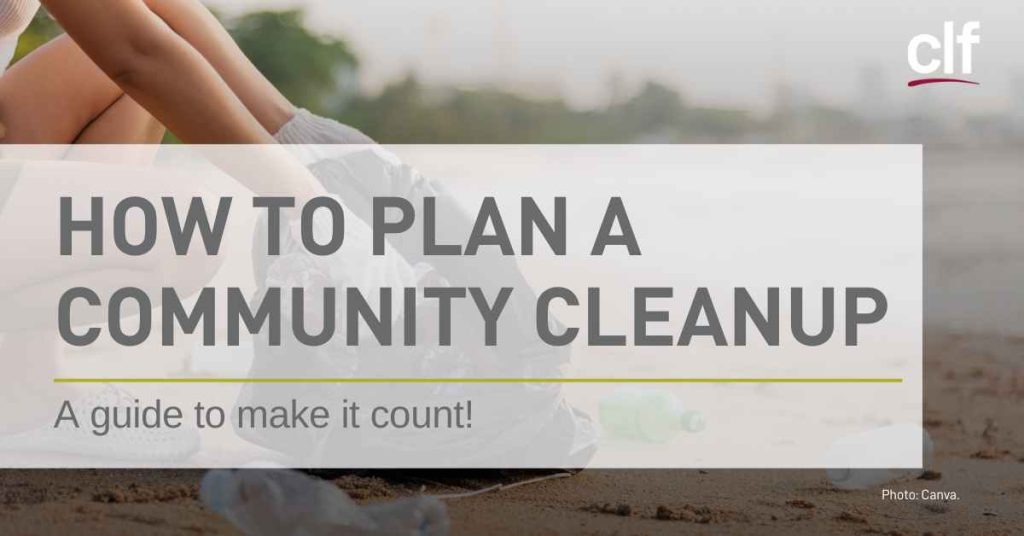
The threat of climate change and the degradation of our environment is a reality we can no longer ignore. As part of our community, we have a responsibility to actively contribute to the preservation and restoration of our environment. With these goals in mind, I propose a comprehensive plan for the clean-up and conservation of our neighborhood.
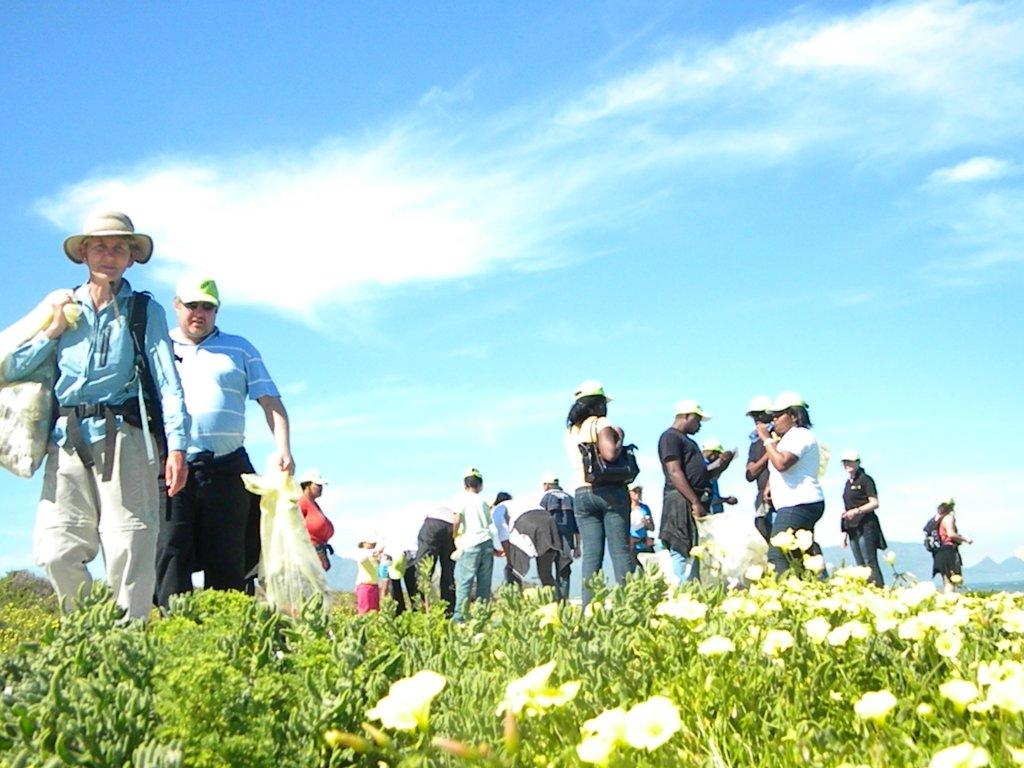
GOALS:
Improving the Cleanliness and Aesthetic Value of the Environment Our neighborhood is our home, and it should be a place we can be proud of. Through collective efforts to clean up litter and maintain public spaces, we can create a cleaner and more beautiful environment. A tidy neighborhood not only improves living conditions but also enhances property values and overall quality of life.
Promoting Awareness about Climate Change and the Importance of Environmental Conservation Knowledge is power, and by educating the community about the impacts of climate change and the necessity of environmental conservation, we can cultivate more conscious and responsible citizens. We plan to offer educational sessions and workshops to inform the community about how their individual and collective actions can positively impact the environment.
Encouraging Recycling and Reducing Waste One of the most effective ways to combat climate change is through waste reduction and promoting recycling. Our plan includes implementing recycling programs, providing recycling bins, and encouraging the community to make conscious choices about waste reduction. This will not only help reduce the amount of waste that ends up in landfills but also optimize the use of natural resources.
Strengthening Community Relations through Collective Actions When we work together for a common goal, we build stronger bonds with our neighbors and promote a sense of unity. Collective actions such as neighborhood clean-up projects provide opportunities for community members to get to know each other better and work together toward a shared vision of a cleaner, healthier environment. These collective efforts strengthen the community and foster a sense of pride and responsibility for our neighborhood.
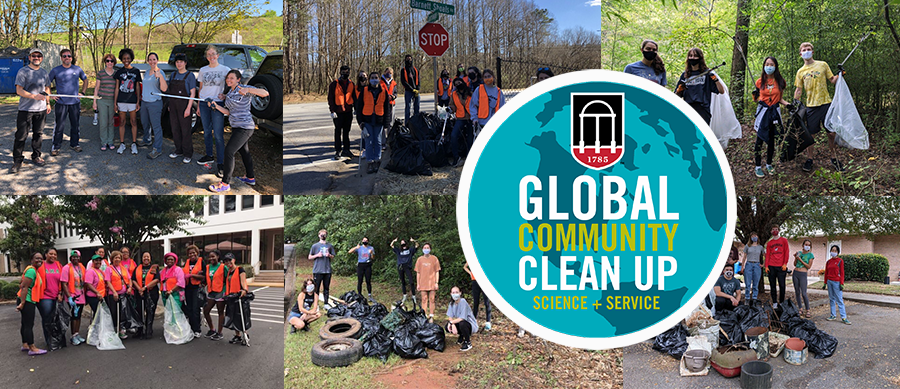
ACTION PLAN:
COMMUNITY CLEAN-UP EVENTS
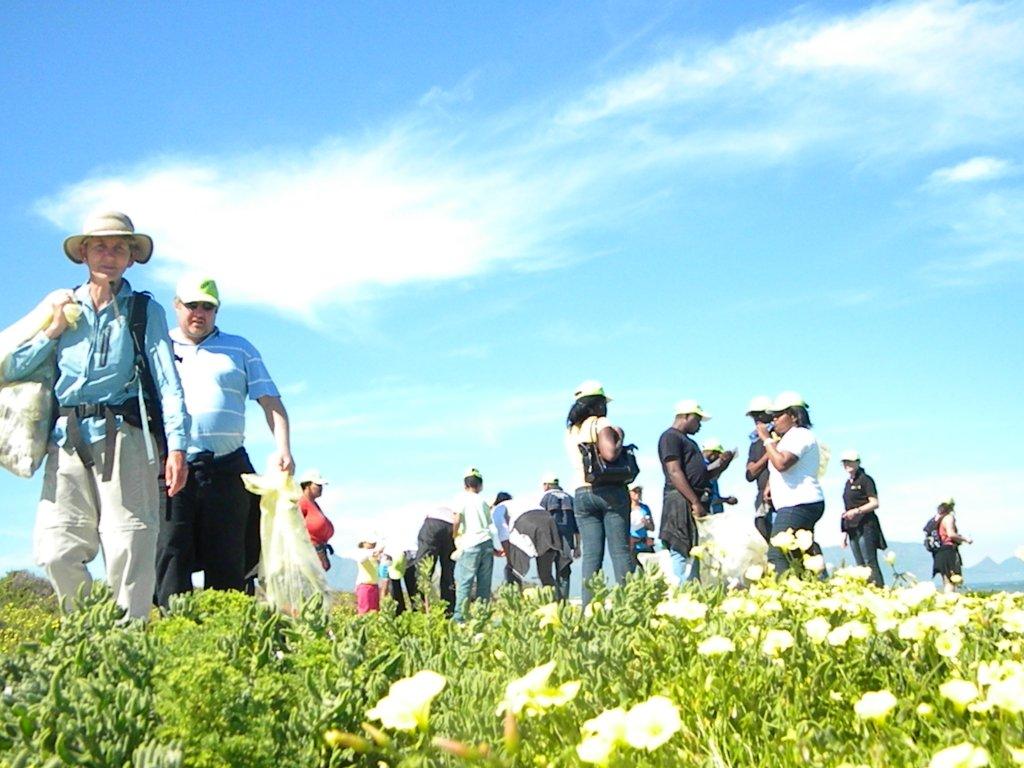
Schedule regular clean-up days: Organize monthly or quarterly clean-up events where community members gather to pick up litter, clean public spaces, and maintain local parks and green areas.
Provide necessary supplies: Ensure that volunteers have access to gloves, trash bags, recycling bins, and any other necessary equipment.
EDUCATIONAL CAMPAIGNS AND WORKSHOPS
Host information sessions: Arrange talks and workshops on climate change, the importance of recycling, and sustainable living practices.
Distribute educational materials: Create and distribute flyers, brochures, and posters with tips on reducing waste, conserving energy, and protecting the environment.
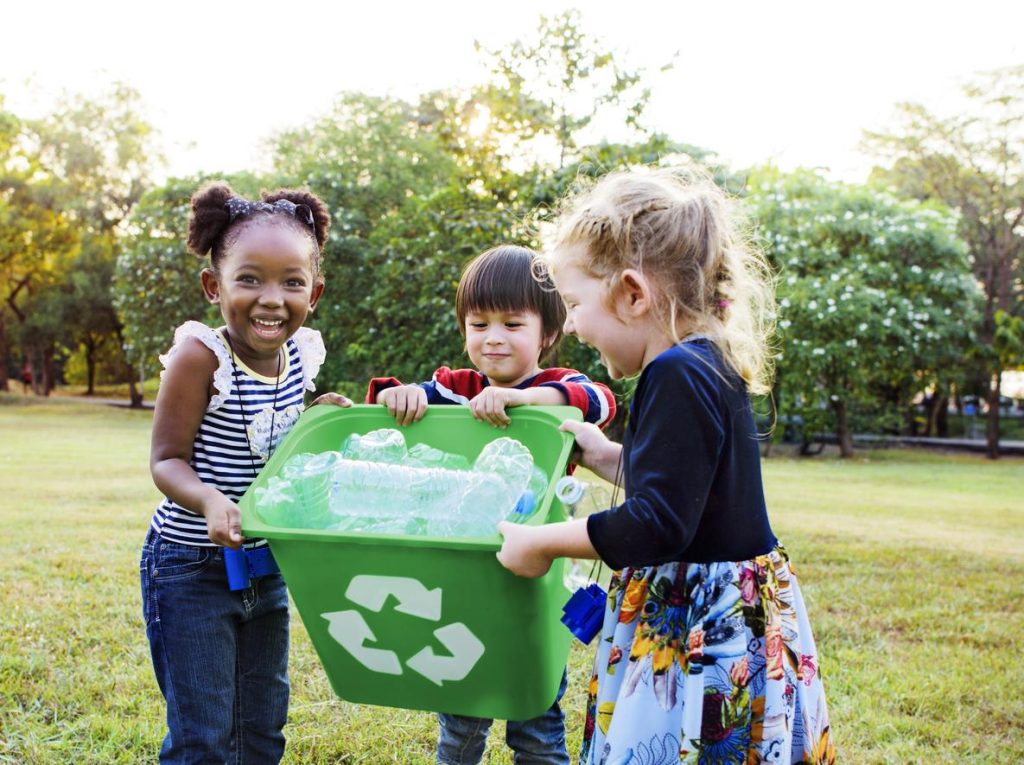
RECYCLING PROGRAMS
Set up recycling stations: Install recycling bins in strategic locations throughout the neighborhood, including parks, community centers, and busy streets.
Promote recycling: Encourage residents to separate their waste and participate in local recycling programs through community announcements and social media.
Community Engagement and Collaboration
Form a green team: Establish a committee of dedicated volunteers to lead and organize environmental initiatives.
Collaborate with local organizations: Partner with schools, businesses, and local government agencies to support and expand clean-up and conservation efforts.
Monitoring and Evaluation
Track progress: Regularly monitor the success of clean-up events and recycling programs by measuring the amount of waste collected and recycled.
Gather feedback: Collect feedback from community members to improve future initiatives and ensure that the goals of the action plan are being met.
CONCLUSION
By fully implementing this plan, we can not only improve our environment but also make a lasting and positive impact on the awareness and engagement of our community. Together, we can make a difference and set an example of how communities can proactively and purposefully act to combat climate change and create a better world for future generations.