
A CLOSER LOOK AT A GROWING CRISIS
Climate change has far-reaching consequences for all regions of the world. Its impact is not only limited to the environment but also extends to social, economic, and health spheres. In this blog article, I’ll explore the main consequences of climate change and the urgency of taking action.
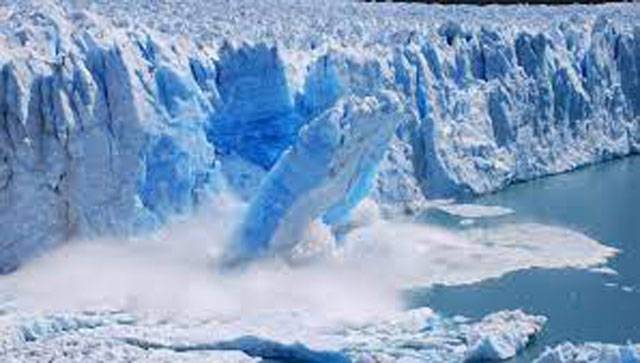
1. Melting Ice Sheets and Glaciers
One of the clearest signs of climate change is the melting of ice sheets and glaciers. This melting directly contributes to rising sea levels, threatening coastal cities and low-lying countries. As sea levels continue to rise, it can lead to large-scale flooding, destroying habitats and forcing communities to leave their homes. This poses a direct threat to millions of people living in coastal areas.
2. Changes in Weather Patterns
Climate change causes drastic changes in weather patterns, including more frequent and intense storms, floods, and droughts. In some regions, people experience more extreme weather conditions, while other areas increasingly struggle with extreme heat and drought. These extremes cause significant disruptions in agriculture, exacerbating food insecurity and causing economic damage.
3. Impact on Biodiversity
The drastic changes in climate have a major impact on biodiversity. Species that cannot adapt quickly enough to the changing conditions may become extinct. This loss of biodiversity has a domino effect on ecosystems, making them less resilient to other environmental stress factors.
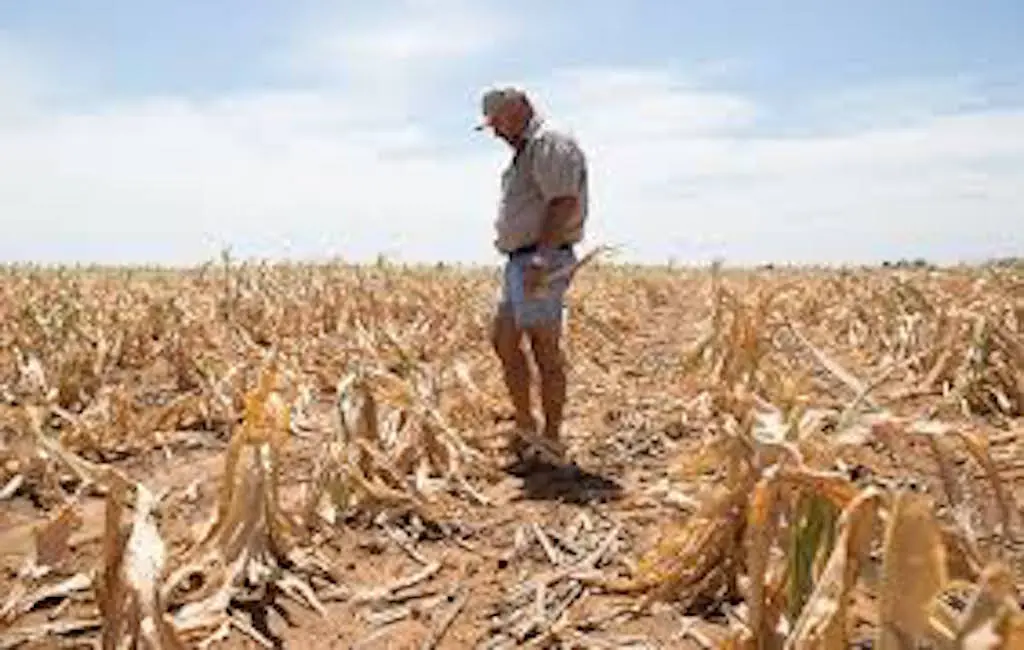
4. Agriculture and Food Production
Changed rainfall patterns and temperatures create enormous challenges for farmers. This can lead to reduced crop yields and even failures, causing food shortages and price increases. Farmers need to adapt to new agricultural techniques and crops to cope with the changing conditions, which is not always easy or feasible.
5. Health Effects
The health of people is directly and indirectly affected by climate change. Heatwaves can lead to heat exhaustion and strokes, especially among vulnerable populations like the elderly. Diseases spread by water and insects, such as malaria and dengue fever, can also become more common as temperatures rise and rainfall patterns change. Additionally, increased air pollution due to changed climate conditions can worsen respiratory problems.
Urgency of Action
The impact of climate change is already visible and will only grow larger if decisive action is not taken. It is essential that governments, businesses, and individuals work together to reduce greenhouse gas emissions, promote renewable energy sources, and adopt sustainable practices.
We have the ability to bring about change, but it requires a collective and immediate effort. The time to act is now; otherwise, the consequences of climate change will overwhelm our ability to ensure a sustainable future.