
FLOODS IN SOUTH AFRICA
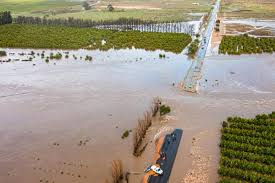
Floods have become an increasingly common and devastating occurrence in South Africa, driven largely by the impacts of climate change. As global temperatures rise, weather patterns are becoming more erratic, leading to heavier and more frequent rainfall. This has resulted in widespread flooding, particularly in low-lying and urban areas, causing significant damage to infrastructure, homes, and agricultural land. This means that increased rainfall not only causes rivers to overflow but also makes urban areas vulnerable to flash floods. These changes expose communities, infrastructure, and economies to greater risks and highlight the necessity of proactive planning and adaptation to manage and mitigate the impact of climate change.
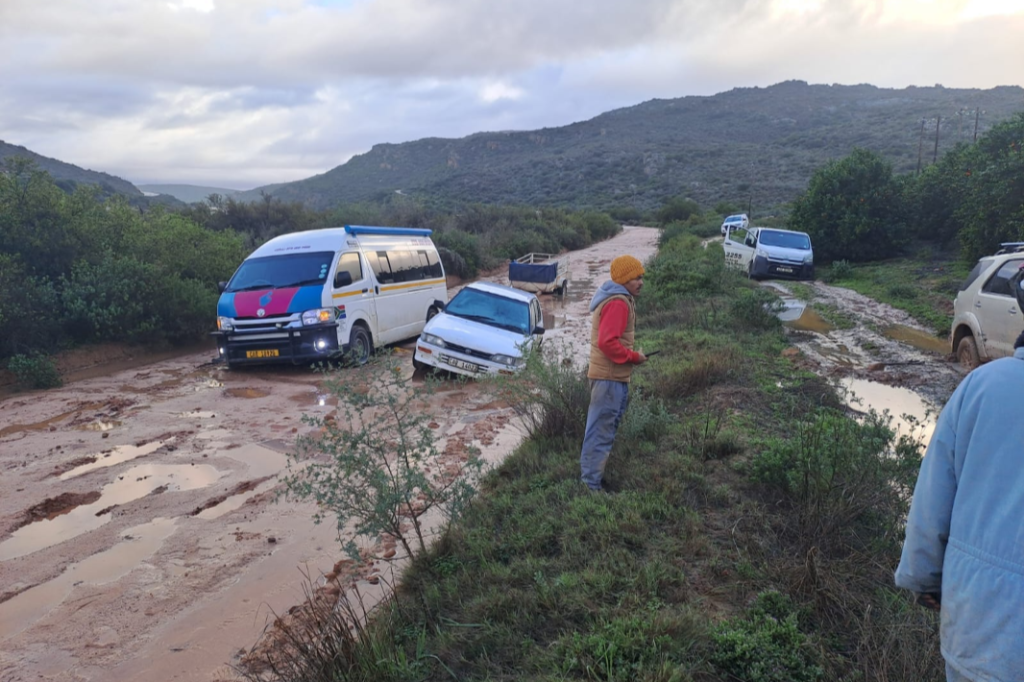
The increase in floods requires communities and governments to urgently act to reduce the impact. This includes developing effective warning systems, strengthening infrastructure, and implementing sustainable water management practices. By taking precautionary measures and planning for future risks, we can limit the damage to lives and property. Collaboration between communities, scientists, and policymakers is essential to successfully combat the effects of climate change. By acting together, we can ensure a safer and more resilient future for everyone.